Listen to this story
Tough Love Could Better Address Homelessness & Addiction
We need to change course to save lives and reclaim our public spaces.
Marcia Kelbon argues that Washington state’s lenient drug policies have failed, leading to increased overdose deaths and homelessness. The state is doing the same things, while expecting a different result — and it's expensive. Kelbon says we need proven treatment like Drug Court to help people overcome chronic addiction and intertwined mental health conditions.
On February 25, 2021, the Washington Supreme Court struck down Washington’s felony drug possession law. The Blake decision found criminal drug possession void because the legislature criminalized "unknowing" or unintentional possession — making it possible to convict individuals for innocent behavior. This ruling resulted in a two-year period in which drug use was essentially decriminalized in Washington. Drug use, drug overdoses and corresponding homelessness ballooned.
The state legislature then adopted the “Blake fix” mid-2023, making knowing hard drug possession only a gross misdemeanor .
Olympia chose not to restore felony possession because this conflicts with the majority ideology. The adopted approach to the current drug addiction crisis is through funding private contractors who practice so-called low barrier approaches to addressing chronic addiction.
This approach to the crisis has been expensive — and ineffective. The number of lives lost is devastating.
According to the State Department of Health (DOH), yearly total fatal opioid overdoses in Washington grew from 693 in 2016 to 2,284 in 2025. That means an average of six people died from drug ODs every day in our state last year.
The number of homeless individuals also increased due to current drug policy. DOH and Department of Commerce “snapshot” data reflect 126K homeless individuals in Washington in 2016. By 2023, that number had increased to 159K.
A King County Regional Homelessness Authority report last week includes “Point in Time” (PIT) data showing that the King County homeless population grew by 26% from 2022-2024, and by another 9% in 2026.
The drug addiction crisis is getting worse. Our Olympic Peninsula is no exception.
According to the Aberdeen Daily World, Grays Harbor is in the state's Top 3 for drug ODs per capita. From Nov. 1, 2024 to Nov. 30, 2025, there were 54.3 overdose deaths per 100,000. The article says fentanyl and methamphetamine are still the leading drugs of abuse.
State DSHS PIT data shows that the combined number of homeless individuals in Jefferson, Clallam, and Grays Harbor counties was 743 in 2016, 613 in 2023, and 718 in 2025.
The numbers tell us nothing is changing, yet Olympia has no new or different plans for addressing the crisis.
It’s the Drugs.
There are indeed a variety of other reasons causing individuals to fall on hard economic times. But spend any time in homeless encampments, as I have done, and you will conclude it’s chronic addiction.
Olympia is doing the same thing over and over, while expecting different results — at great cost to taxpayers.
The Washington State Standard reports the state expended $5 billion on housing construction and homelessness prevention between 2013 and 2024, with $4 billion of that being in 2021-2024.
Expenditures focused on “housing first” models. These publicly funded shelters typically employ a “low barrier” approach, in which abstinence from drug use or participation in treatment are not required.
The chronic addiction homelessness epidemic persists.
It’s Time to Change Course.
Until we collectively acknowledge underlying issues of drug abuse and mental health, we limit our ability to abate the problem of chronic addiction homelessness.
Addressing addiction and mental health requires getting people into treatment. In conversations with Olympic Peninsula sheriffs and police chiefs, I am repeatedly told that the current gross misdemeanor approach for drug use is insufficient to cause addicted individuals to choose the benefits of drug court and treatment over jail.
My belief is that our state legislature should reinstate a felony drug penalty for the knowing possession of hard drugs like methamphetamines and opioids.
Additionally, involuntary commitment for those too mentally ill to make rational decisions and causing a public or personal safety issue, needs to be employed with the help of law enforcement. We need innovative legislation which will test — and potentially change — current legal precedent regarding involuntary commitment. The goal is to get the most needy and vulnerable off the streets and onto institutional care and rehabilitation paths.
The state also needs to fund adequate facilities for the treatment of substance abuse and serious mental health disorders.
Lastly, if an individual has been convicted of possession of hard drugs, goes through treatment, and stays sober for a period, their drug possession conviction (but not other crimes) should be expunged. This would allow individuals with a demonstrated commitment to sobriety to go forward in life and obtain employment.
I know a number of people in long-term recovery whose lives were turned around after an arrest. Drug Court / deferred prosecutions are a proven method to help people. True and effective compassion sometimes requires tough love.
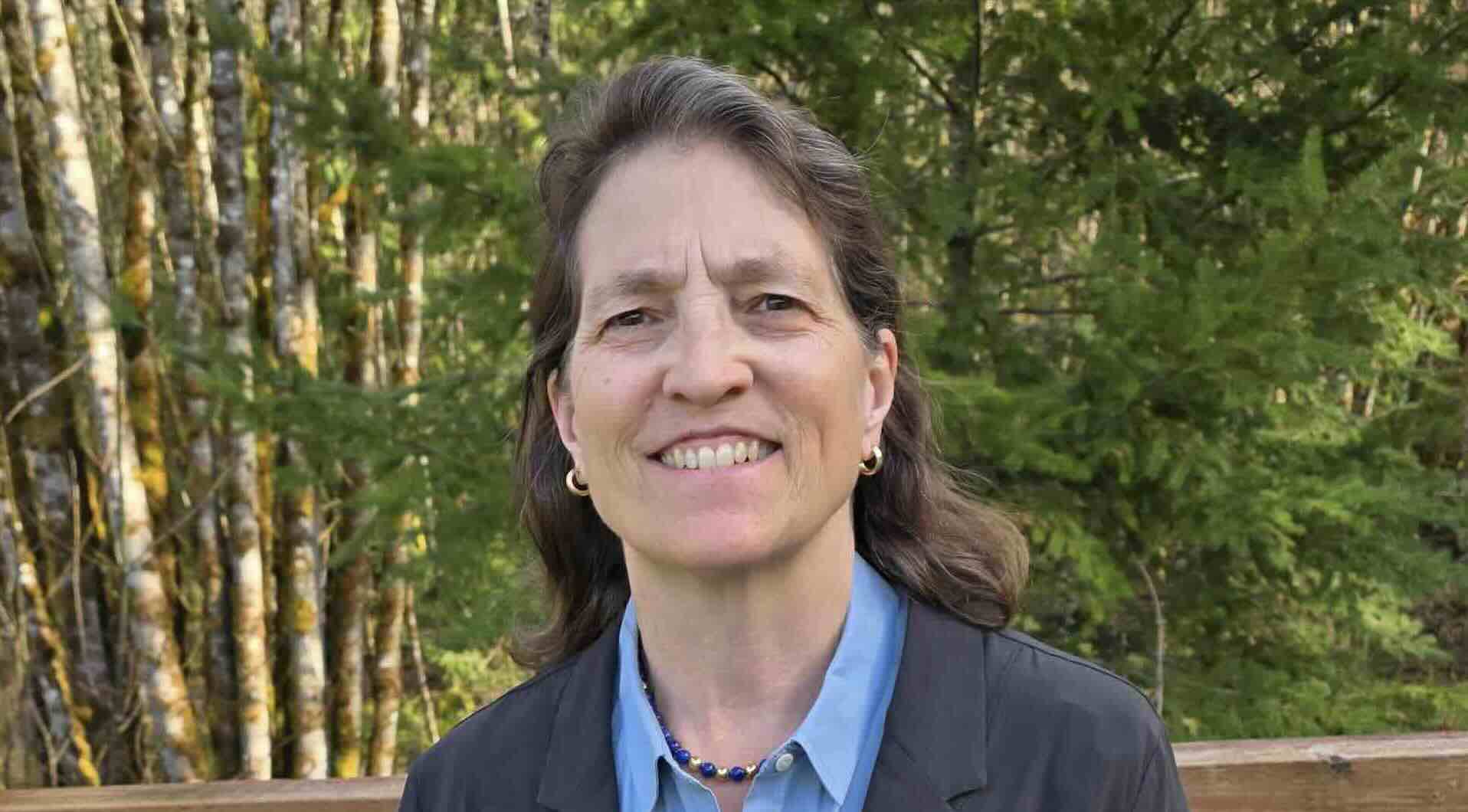
Marcia Kelbon lives in Quilcene, on Washington's Olympic Peninsula.
MORE SUMMIT