
Cascade Party
A new path in Washington State politics.
A new path in Washington State politics.
Accountabilty
Representation alone does not change outcomes.
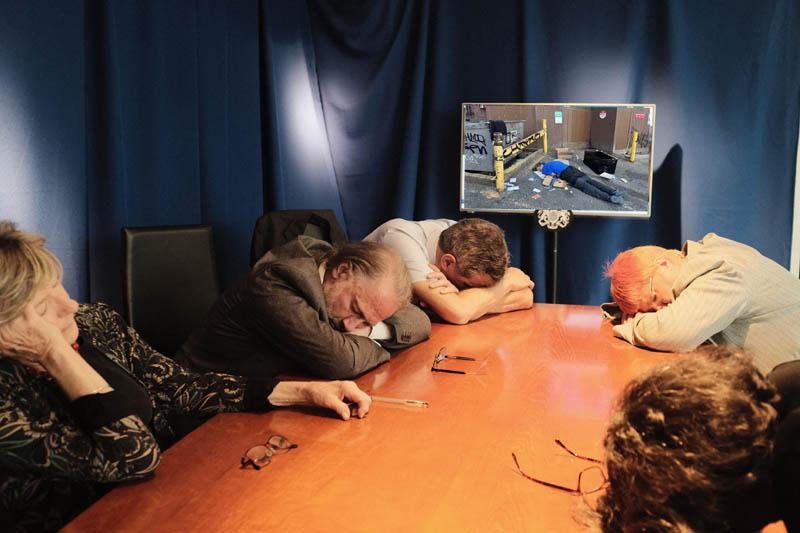
By Brandon Blazer, (February 17, 2026)
Washington lawmakers are once again updating the membership of an advisory committee — this time through HB 2185, which expands representation on the Office of Homeless Youth’s advisory body. The intent is admirable. The bill brings more lived experience, more youth voice, and more representation from disproportionately impacted communities into the room. These are important perspectives, and they absolutely strengthen the quality of guidance the state receives.
But let’s be honest about the limits. Representation alone does not change outcomes. And HB 2185, like many well‑meaning equity‑centered reforms, stops at representation.
Across the country, states have spent the last decade building advisory councils filled with diverse voices, youth leaders, and people with lived experience. These bodies have helped agencies see blind spots, understand cultural barriers, and identify harmful practices earlier. They have improved the process of policymaking.
What they have not done — on their own — is reduce homelessness.
The states that have actually moved the needle on youth and young adult homelessness didn’t get there by adjusting who sits on advisory committees. They got there by changing the levers that drive system performance: performance‑based contracting, transparent dashboards, unified governance, and funding tied to measurable results. Advisory bodies played a role, but they were not the engine.
HB 2185 doesn’t touch any of those levers. It doesn’t change how providers are funded. It doesn’t require public reporting. It doesn’t strengthen accountability. It doesn’t consolidate authority. It doesn’t even require agencies to formally respond to the committee’s recommendations.
It changes who is invited to give advice — not what the system is required to do with that advice.
It’s important to be clear: none of this is an argument against equity or against elevating the voices of youth, families, and communities who have been historically marginalized. In fact, their leadership is essential — youth homelessness disproportionately affects Black, Indigenous, LGBTQ+, and system‑involved young people precisely because past policy structures ignored or excluded them.
Representation is not optional; it is a matter of justice. But justice also requires power. When lawmakers expand who gets a seat at the table without expanding what that table can actually decide, they unintentionally place the burden of “fixing the system” on the very communities harmed by it, while leaving the underlying machinery untouched. True equity means pairing lived experience with the authority, data, and accountability needed to drive real change.
That distinction matters. Because when representation is expanded without corresponding authority, the result is predictable: symbolic inclusion without structural impact. The people most affected by the system are asked to share their stories, offer their insights, and relive their trauma — only to watch the machinery of government continue unchanged.
Chronic Addiction Homelessness is getting worse. Equity becomes a performance, not a practice.
Brandon Blazer is a Cascade Party member.
(Alamy Images)